

摘要
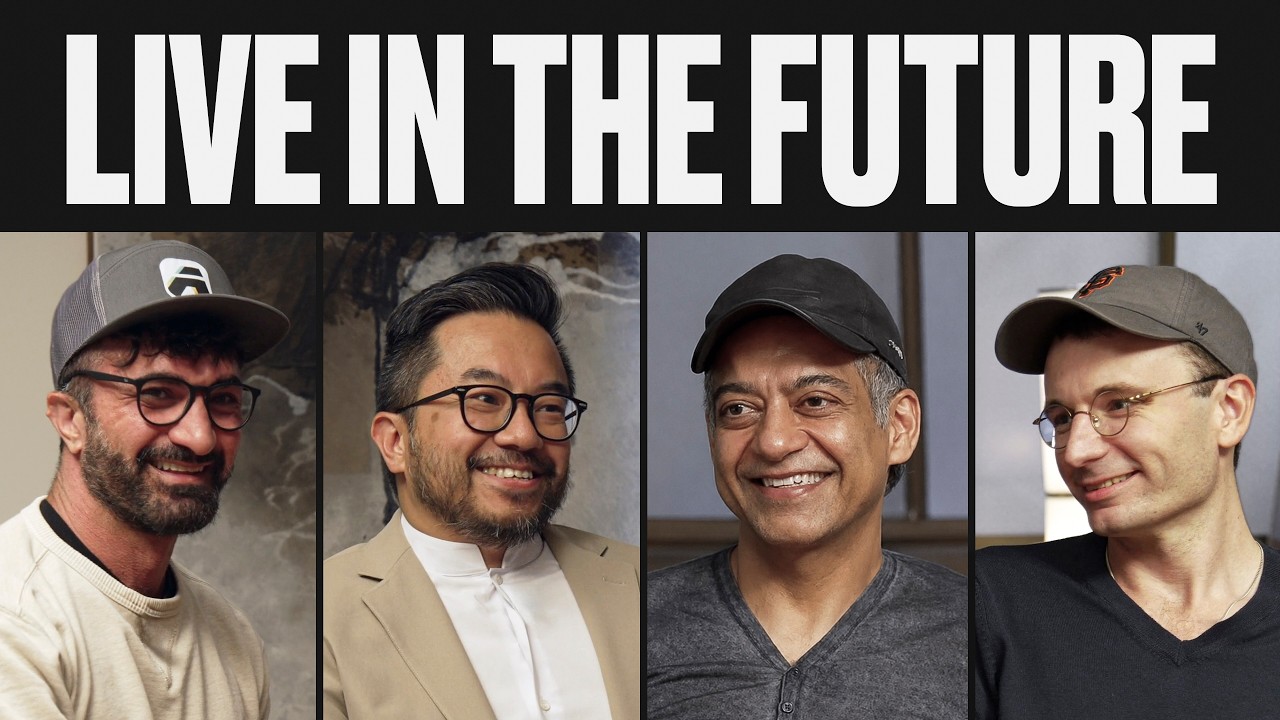
在这期 Naval 播客中,主持人 Naval 与三位创始人——YC 首席执行官 Garry Tan、Abel Police 创始人 Daniel Francis 以及 A-List 创始人 Farbood Nivi——展开了一场关于 AI 焦虑、AGI 未来以及地缘政治格局的深度对话。
嘉宾们从"生活在未来"的实操经验出发,探讨了算力指数级增长对创业生态的冲击、开源模型与闭源模型的赛跑、中美 AI 竞赛的真相,以及人类在 AGI 时代可能扮演的新角色。
这场对话的核心张力在于:一方面,推理算力预计在 24-36 个月内增长 90,000 倍,开源模型与前沿模型的差距从 12 个月缩小到可能只有几周。另一方面,社会层面的冲击同样剧烈——从"AI 焦虑"成为普遍情绪,到 Anthropic 式的"面包线"调侃,再到抗议者对数据中心的攻击。
核心问题:当所有人都拥有 AI 时,创业生态还能存在吗?当开源占据领先地位后,闭源公司还有机会夺回吗?当中美都在加速推进 AI 时,台湾问题、加州霸权与"全民基本机器人"又意味着什么?
正文
一、活在 2028 年:花十万美元购买未来
如果用一个数字来概括这场对话的震撼程度,那就是 90,000。Garry Tan——Y Combinator 的首席执行官——给出了未来 24 到 36 个月内推理算力的预计增长倍数。
这并不是空谈。Garry 在过去几个月里经历了一场疯狂的蜕变:从几乎不写代码到创造出开源 vibecoding 工具 GStack(已跻身 GitHub 全球前 100),每天只睡三小时,完全沉浸在这场技术革命中。
他以一个极具象的说法定义了当前时刻:
Garry Tan:"如果你愿意每年花大约十万美元在 token 上,你基本上可以像一个 2028 年的普通公民一样生活。token 成本在下降,算力在飙升——我们认为会有 90,000 倍的推理算力增长。从今天算起,24 到 36 个月。"
If you're just willing to spend like $100,000 a year on tokens, you can basically live like you are a normal citizen in 2028. Token costs going to come down. Compute is going to go way way up. We think like 90,000x the amount of inference compute from here to like 3 years from now.
Garry 紧接着抛出了一个让所有人都停下几秒的问题:
"很多人说 NVIDIA 被严重高估了——但如果它是被严重低估了呢?被低估了好几个数量级?"
A lot of people say that Nvidia is way overpriced, but what if it's way way underpriced by like several orders of magnitude?
Naval 追问:"90,000 倍,什么时候?"Garry 回答:"大概 24 到 36 个月。"这接近五个数量级。Naval 用一种近乎告白的坦诚点评道:
"我们可能差一两个数量级——但你只需要关心数量级本身。真正疯狂的是:每跨越一个数量级,就会有新的能力涌现。"
We might be off by a couple orders of magnitude, but magnitude, friends. The thing that's crazy is if you go up by five orders of magnitude, it's not just what it does in terms of usage but in terms of capabilities. Every order of magnitude you go up, new capabilities emerge.
这番话让 Naval 陷入了自我反思。他承认自己在 2020 到 2022 年间完全错过了 AI 的浪潮:
Naval:"我从小学习计算机科学,一辈子都在听人谈论 AI。我一直以为它就像核聚变一样永远不会到来。然后它来了,来得非常快。一开始人们的说法听起来像是吹嘘自己的持仓——看起来很疯狂。但到目前为止,他们都被证明是对的。"
I'd grown up my whole life hearing about AI from when I was doing CS and just assumed it was one of those things like fusion that was never going to come. And then it came, came really fast. At first a lot of the stuff people were saying about it sounded breathless and like they were talking their own book — seemed crazy. But they turned out to be right so far.
Daniel Francis 从工程层面提供了成本塌缩的另一组数字。他的团队最初为用户运行 OpenClaw 加上 Anthropic Opus 模型时,每人每月的成本高达 100 美元。"我们花了三四个月,把那个数字压到了 2.84 美元。"这背后是一整套可以弹性伸缩的 agent 舰队系统,包括 eval harness 和 fleet management。
Garry Tan:"这是它最糟糕的时候。后面只会越来越好。"
This is the worst it'll ever be.
但这些数字背后隐藏着一个不被广泛讨论的真相:智力不是瓶颈,成本才是。Daniel 说:"现在,智力不是瓶颈。成本是瓶颈。"而成本的下降轨迹已经清晰到几乎不需要争论——你不需要穿越时间,只需要支付今天的账单,就能获得两年后的生活品质。
二、超级智能的逼近:面包线、实验室抑郁与咆哮的兽群
如果说算力增长是这场对话的光明面,那么 ASI——人工超级智能(Artificial Super Intelligence)——的逼近则是所有嘉宾都无法回避的暗涌。
Naval 开门见山地点出了问题的核心:
"实验室里的人相信,scaling laws 会让 AI 持续变聪明,直到它们通过递归自我改进的过程变得比最聪明的人类还要聪明——他们把这叫做 ASI。这是最大的待解问题。"
The people in the labs believe that the scaling laws are such that the AIs will keep getting smarter until they become smarter than the smartest humans, probably through the process of recursive self-improvement — what they call ASI. That is the big question.
他回溯了认知演化的轨迹:"两年前你可以说 AI 什么都懂一点但什么都不精通。现在,它正在变成对几乎所有事情都达到专业级——但我们还不知道它能否走完那最后一英里的创造性突破。不只是重新组合训练集中已有的东西,而是真正创造出全新的东西。"
当被问及 AI 在数学奥林匹克试题上的突破是否令人不安时,Naval 和另一位嘉宾给出了冷静的回应:
"如果它证出了一道题——这不意味着你要慌。这意味着你要去做别的事情。如果你的思考时间有限,你愿意花时间感慨机器在某些方面比人强,还是把你的'人性'应用到尚未被探索过的领域?"
All that stuff is kind of like boring. It just means go do something else. If you have limited time to think about something, do you want to spend it opining over the fact that there's a machine better than a human at something now or just go apply your humanness to something you haven't thought about?
但 Daniel 紧接着抛出了一个更黑暗的问题——"半人马棋"(Centaur Chess)的隐喻:
"国际象棋曾经出现过'半人马模式'——人类加计算机的组合能击败纯计算机。但最终,纯计算机击败了半人马模式。我们会不会走到一个阶段:机器比'机器加人类'更强?"
There was centaur chess where the chess computer plus the human would beat just a chess computer. But eventually just the computer alone beat the centaur model. Are we going to end up in a place where a machine is strictly better than a machine with a human?
Daniel 自己正站在最前线。他的系统为每个用户运行独立的 agent 实例,管理着上千个 agent 的弹性舰队。但从实践中他得出了一个令人不安的观察:
"实验室里最了解情况的人在字里行间的意思是——真的不会有任何事情留给人类去做了。他们会说你的 harness 不重要,因为一年内 AI 就能自己按需搭建 harness。你连消费者都不是了——AI 会互相通信,自己去解决材料科学、物理学、数学和工程学中的根本问题。"
The people who would know the most in the labs are basically saying there will be nothing left for humans to do really. They're saying: your harness doesn't matter because within a year the AI will be spinning up harnesses as needed and you won't even be the consumer because it'll be talking to other AIs, solving fundamental problems of material science and physics and math and engineering and health.
这是整场对话中最沉重的一段话。Garry Tan 用他最标志性的黑色幽默回应了这种恐惧,但他的笑话里藏着真实的社会裂痕:
Garry Tan:"让我所有聪明的朋友都去 Anthropic 工作吧——这样我就有朋友在 Anthropic 的二级面包线里给我留位置了。毕竟现在只有两种工作了:Anthropic 员工,和 Anthropic 员工的性工作者。"
Get all my smart friends to go work at Anthropic so that I'll have lots of friends there who will get me into the Anthropic level two bread line. There's only two jobs: Anthropic employee and sex worker for Anthropic employees.
全场大笑,但笑声里有一种所有人都听得出来的紧张。Naval 没有让笑话稀释问题的严重性。他指出公众的恐惧情绪已经溢出到了真实世界的行动中:
"他们在攻击数据中心。他们说原因是要保护水资源——但那已经被辟谣了。真正的恐惧是被替代。他们想从这辆火车上下来。这是理性的恐惧。"
They're attacking data centers. They're saying it's because of water. That was a lie that was debunked. The real fear is being replaced — you want to get off this train. That's rational.
然后 Naval 说出了全篇中最具警示意味的一段话:
Naval:"你并不孤独。你生活在一个叫做'人类'的咆哮兽群之中。如果那个兽群因为愤怒或因为中毒决定向左边的悬崖狂奔——你也会被裹挟而去。你不会是那只独自站在悬崖边的孤独的野牛。"
You don't live alone. You live inside a thundering herd called humanity. And if that thundering herd decides to go left towards a cliff because it's mad or because it's poisoned, you're going to go with it. You're not going to be the lone bison sitting out there by yourself on the edge.
这个警告因为 Naval 随后的分享而变得更加具体和令人心碎:
"2021 年我第一次见到前沿实验室的研究人员时,他们在考虑要不要生孩子——因为他们害怕孩子的未来。我当时想,你在说什么?人类历史上每一代人都没有因为害怕孩子未来而不生孩子的。"
The first ones I met in 2021 were saying to me that they were putting off having kids or thinking about not having kids because they were afraid for the kids' future. I was like, what are you talking about? As opposed to every other time in human history when people were never afraid of their kids' future?
但 Daniel Francis 提供了一个必要的对冲视角。他的态度不是"躺平等死",而是"学得比以前快得多":
Daniel:"我从 AI 那里学到的东西比大学课堂多得多。我可以让它恰好匹配我的知识水平来教我——给我画图,让我问愚蠢的问题,换三种不同方式解释同一件事,直到我真的理解。我在课堂上永远做不到这一点。"
I learn more from AI than I did in my college classes. I can have it meet me at my exact level of knowledge. Give me a graph. I can ask dumb questions. Explain it again. Explain it a third different way. I could not do that in class.
他和 Naval 的对比构成了这场对话中最精妙的双人舞。Naval 曾发过一条让他颇为自豪的推文:"很快每个人都会有 AI 焦虑。"("Soon everybody will have AI anxiety.")而 Daniel 说:"我是 AI 狂喜。"("I am AI jubilant.")这两种情绪不是对立的——它们是同一种现实的两面。所有在场的人都同时身处焦虑与狂喜之间。
三、中国、开源与 AI 竞赛的真实棋局
如果说 ASI 的逼近是一种面向未来的恐惧,那么中美 AI 竞赛中的开源与闭源博弈,则是此时此刻正在发生的权力重排。Naval 对这盘棋局的分析堪称整场对话中最具穿透力的部分。
他首先拆解了中国开源模型快速追赶的多条并行路径。
第一条,自有预训练:"中国人有自己的算力,自己的数据集。事实上,他们可以爬取更多的数据——因为受版权法的约束更少。他们可以爬 YouTube、Reddit——我们这边做不到。"
第二条,模型蒸馏——"他们大规模查询美国的前沿模型,用那些数据来训练自己的模型。如果我是中国,我也会这么做。"("They're distilling our models. If I were China, that's what I would do.")
第三条,也是最为黑暗的——权重泄露:
Naval:"AI 公司的安全水平远未达到美国国家安全密级设施的标准。他们不知道如何保护机密。当然被黑了。权重当然泄露了。如果你是中国或任何其他人,你不会把权重公开发布回去——你会用它们来高速蒸馏,训练你自己的模型。"
The AI companies don't have the security profile of a top US national secure compartment facility. They do not know how to protect secrets. Of course they're getting hacked. Of course the weights are getting leaked. And if you're Chinese or anybody else, you're not going to just take the weights and release them back. You're going to use that to distill at high speed and train your own model.
然后 Naval 抛出了那个最为尖锐的政见:
"如果你们在开放网络上训练——既然你们训练了开放数据和开放网络——你们就应在 X 个月后开放模型,12 个月后。OpenAI,你得真正开放。Anthropic——你成天在说末日和阴郁,说你在建造上帝——但你不会把上帝拴在皮带上,Dario。我们不需要一个祭司阶层替我们解释圣经。"
If you trained on open web and open data, you have to open your model after X months, after 12 months. Open AI, you have to be actually open AI. And Anthropic — you're the one talking doom and gloom and you're building God, but you're not going to keep God on a leash for yourself, Dario. We don't want a priest controlling God for the rest of us, interpreting the Bible.
但 Naval 随后将分析推向了更深层——人才流动的结构性现实:
"今天 AI 领域的大多数数学家和研究人员都是华人。他们产出更多的 STEM 博士、更多相关领域的毕业生、更多的奥赛金牌得主——比任何人都多。美国 AI 实验室的大量员工本来就是中国人。所以我才发了那条推文:'AI 是我们的华人,对他们的华人。'"
The majority of mathematicians and researchers in AI today are Chinese. They produce more STEM graduates, more PhDs in the relevant fields, more Olympiad winners than anybody else. A lot of the US staff is Chinese. That's why I tweeted: AI is our Chinese against their Chinese.
他随即补充道——但并不需要阴谋论来解释这一切。这些研究人员"本来就是朋友,住同一栋宿舍,上同一所学校,住同一栋公寓,互相串门。"("These guys are all just friends. They live in the same dorms. They went to the same schools. They live in the same buildings and apartments. They hang out.")信息和权重自然地在人际网络中流动。Daniel 甚至半开玩笑地指出:"每一个男性 AI 创始人身边都有一个美丽的中国女友——有人讨论过这件事吗?硅谷大街上走一圈看看?"("Every male AI founder is walking around with a beautiful Chinese girlfriend. Have we talked about that? Go walk outside Silicon Valley, right?")
而最为深刻的分析,来自 Naval 对软硬件经济学的结构性翻转。他勾勒出了一条令人信服的逻辑链:
历史上,美国擅长软件。VC 从来不投硬件——"为什么?因为硬件是商品化业务。软件才有网络效应和锁定效应。正如 Patrick Collison 所说——软件是艺术,软件能锁住你。"但现在,格局被彻底改写了:
Naval:"Claude Code 把软件烧光了。软件正在吞噬世界,AI 正在吃掉软件。软件被商品化了——你只要能描述它,AI 就能一次性或几次内完成它。"
Claude Code burned software down. Software was eating the world and AI ate software. Software is commoditized. The moment you can specify it, an AI can oneshot it or twoshot it.
与此同时,硬件也早已被中国商品化:
"任何我在这里能做出来的硬件,你在中国都能更便宜、更轻松地做出来。整个生态系统都在深圳。3000 个制造商能做同一种微型连接线——全挤在一个地方。"
Any hardware I can make here, you can make in China more cheaply and more easily. The whole ecosystem is there. Shenzhen has like 3,000 manufacturers of this tiny little cable all in one.
在这双重商品化的格局下,Naval 得出了他的核心洞见:
Naval:"硬件被商品化了,被中国掌控。软件被商品化了。那什么还没有被商品化?答案就是——AI 研究本身。开发 AI、做 AI 研究,就是新的软件工程。"
Hardware is commoditized but owned by China. Software is commoditized. So what's not commoditized? It's actually just AI research. Developing working on AI itself is the new software engineering.
但问题在于:软件工程曾经是民主化的。John Carmack 和 John Romero 带着一个小团队就能做出 Doom 和 Quake,与 EA 和 Activision 正面对抗。"在 AI 领域你做不到。AI 需要巨量资源、庞大的 GPU 集群、海量数据集、专有数据——现在还要加上监管俘获。"
Naval 最后那句话既是讽刺,也是警钟:"所有价值、所有瓶颈都汇聚到了 AI 上——而 AI 被极少数公司控制。具有讽刺意味的是,唯一能让我们保持浮力的是中国政府补贴开源来保持其硬件的竞争力。"
All the value, all the choke points are going into AI and that's controlled by a very small number of companies. And ironically, the only thing keeping us afloat is a Chinese government subsidizing the whole thing on open source so that their hardware can stay competitive.
在开源与闭源的竞赛时间线上,Naval 提供了一个精确的度量:
"开源曾经落后 12 个月,然后是 9 个月、6 个月。现在有人说 3 个月,也有人说几周。这很锯齿状——在某些领域他们看起来很接近,在另一些领域则不是。"
Open source has gone from a 12-month gap to a 9 month to a 6 month, and now some people are saying three months. Some people are saying weeks. It's very jagged — in some domains they seem caught up, in some domains they don't.
Garry Tan 则从历史先例中提出了一个令美国实验室不安的问题:
"在历史上,一旦开源在某个领域取得领先——看看 Linux 或其他开源项目——它很少会交出领导地位。因为一个生态系统会围绕它生长。你如何说服一家公司把有限资源投入一个开源已经取胜的领域?你必须用它有限的现金去追赶——在钱烧完之前跳过一个有意义的领先。这不容易做到。"
Once something open source kind of gets in the lead, it rarely surrenders it. That's because an ecosystem springs up around it. How can you rationalize your limited resources at a company going into something that open source is winning at? You'd have to use your cash to jump meaningfully ahead of the open source and take the lead again before that runs out.
关于 Google 的命运,嘉宾们达成了一项罕见的共识——它已基本出局:
Naval:"'五王'变成了'两王'。OpenAI 和 Anthropic 是仅有的两家直接从模型中获得收入的公司。它们不依赖交叉补贴,现金回流进行再投资,而且通过强化学习中的轨迹数据持续改进模型。Elon Musk 可能因为 SpaceX 的资金储备还有一次机会。但 Google——我觉得已经没戏了。"
There were five kings. There's two kings now. OpenAI and Anthropic are the only ones making revenue off of their models directly. They're not cross-subsidizing, they're pouring the cash back in, and they're getting the trajectories for reinforcement learning. Elon maybe gets one more bite at the apple. Google, I think has lost it.
Garry Tan 的吐槽更是毫不留情:
"Gemini 的 iOS app——你一后台它就断连接。2026 年了,做个后台运行的 app 有多难?所有其他家的都能在后台正常工作。"
You put a query into Gemini, you background it, it always loses the connection. It just drops it. Whereas all the others will just run it in the background. How hard is that? It's 2026. Run a background app, guys.
Garry Tan:"整个公司已经被 PM slop 吞没了。你需要 Larry 和 Sergey 像 Ari Gold 在《明星伙伴》里那样冲进办公室,杀掉 5000 个 PM。这不是比喻——我说真的。"
The whole company's PM slop at this point. They have to kill 5,000 Google PMs. It's the only way. Larry and Sergey need to walk in there like that scene from Entourage when Ari Gold walks back in the office — shooting people.
四、科技精灵出瓶:你无法阻止已发生的未来
当恐惧驱动的反 AI 运动开始抬头——抗议者攻击数据中心,打出"保护水资源"的旗号——Garry Tan 的回应不留情面:
"这是科技精灵。你无法把它塞回瓶子里。历史上砸碎织布机确实短暂阻止了工业革命——非常短暂。但我们有织布机了。"
This technology is a genie. There's been times in the past where like smashing spinning looms actually stopped revolution very briefly — but we have spinning looms now.
他随即引用了美国历史上最大规模的劳动力结构转型:
"100 年前,美国 50% 的劳动力在农场工作。现在是 2%。我们没有 48% 的失业率,我们都有饭吃。问题只是——转型速度有多快?"
100 years ago 50% of the labor force in the US was working on farms. Now it's 2%. We don't have 48% unemployment and we all have food. But the question is: what is the speed of transition?
Naval 的精炼总结只有一句话:"速度的导数才是问题。"("It's a derivative.")农业革命花了 60 到 70 年。而这一次——没人知道。
但 Garry Tan 立刻提供了两个对冲信号。第一个来自他对"工作"本质的观察——它引发了一个微妙的笑点:
"有人在财富 500 强公司工作过吗?那些地方太蠢了。根本就没有人在那里真正工作——全都是做样子工作。Grabber 是对的。确实只有极少数人真正在工作。"
Have you ever worked at a Fortune 500 company? Those things are so stupid. Nobody there works. It's already all make-work jobs anyway. Grabber was right. Very few people are actually working.
第二个信号则源于个人体验——与"AI 会抢走工作"的叙事完全相反:
Garry Tan:"我用 AI 后工作得更努力了——我同时运行着六个 Codex 代理。生产效率比以往任何时候都高。所以我想,人们会工作得更多,而不是更少。"
I'm working more because of AI. I got six Codex agents running all the time. The productivity, the leverage is way higher. I just kind of think people are going to work more.
在 AI 写作这个话题上,嘉宾之间爆发了整场对话中最为激烈的交锋。Naval 是坚定的防守者:
Naval:"好的写作和好的演讲是好的思考的输出。如果你不练这块肌肉,你会失去清晰表达的能力。"
Good writing and good speaking are the output of good thinking. If you're not using that muscle, you're going to lose your ability to speak well.
他进一步阐述了为什么 AI 无法替代写作:
"好的写作就是新颖性——unexpected。任何基于回归预测下一个 token 的东西都无法做到真正的原创性。它不会做出真正原创的东西。"
Good writing is novelty. It's unexpected. And anything that is guessing a next token from a regression can't do it. It won't do something original.
他给了一个非常 Naval 式的实用建议:
"如果你写的东西是给别人读的,却是由 AI 写的——那你是在浪费别人的时间。AI 写的东西应该被你压缩——否则,对方的 AI 会读你的 AI 写的东西,而你们两个都不在回路里了。"
If you write something that's meant to be consumed by other humans and it's written by an AI, that's a disservice to the other human. You're wasting their time. Otherwise, their AI is going to end up reading your AI and neither of you are in the loop.
但 Garry Tan 的立场同样坚实,而且建立在大量实践之上。他承认纯 AI 输出目前质量不好——"太啰嗦,太临床"("Too verbose, too clinical")。但他强调这只是一个阶段性问题:
Garry Tan:"如果你有一个 eval harness,如果你建立了足够大的语料库,如果你做了跨模态 eval——你可以把质量提升到不可区分的水平。不到 9 个月,这整个 AI 写作的争议就会彻底消失。"
If you have an eval harness, if you've actually built a big enough corpus, if you've done cross-modal eval — you can improve it to a point where it's indistinguishable. Less than 9 months, this whole AI writing conversation will go away.
他描述了一个名为"LSD 模式"(Lateral Sarcastic Drift)的系统——这是一套横跨多种向量空间的创意碰撞引擎,对接了他 40 万份 Markdown 文件(涵盖所有他曾经思考或阅读过的内容):
"有时我只是无聊,就会让系统给我看看'LSD Bangers'。它就会给出 10 到 20 个想法——其中三四个会被多个前沿模型交叉排名并确认:这真的是一个好主意。它在以不可思议的规模发现想法。"
Sometimes if I'm just bored, I'll just be like 'give me some LSD bangers' and it will literally give me 10 or 20 ideas that three or four different frontier models have reranked and said: actually this is a really good idea. This is finding ideas at a ridiculous amount of scale.
但 Garry 也承认,这种争论本身并非毫无价值——它背后是一种关于信息尊严的思考。Naval 的核心观点是:"如果代码是给机器消费的,让机器写代码没问题。但如果内容是给人消费的,你就有义务亲自参与、亲自缩减、亲自提炼——这是对他人时间的尊重。"Garry 的回应是,他会"活在未来然后向后工作"("live in the future and then work backwards"),而不是在当下争论 AI 写作的优劣——因为时间会替技术说话。
穿插在这场写作辩论中的,是两个令人忍俊不禁的未来主义画面:
Garry Tan:"我把我的 prompt 写成一个 Markdown 文件,发给开发者,他们再发给他们的 Claude Code 去执行。别跟我说话——让你的 agent 跟我的 agent 谈。就这么简单。"
I have my Codex put together a markdown file that I send to my developers that they can give to their Claude Code to go execute. Don't talk to me — have your agent talk to my agent. That's literally what it is.
Naval:"我想在 Zoom 上开会,十分钟后我知道这会议不适合我——我就按下一个按钮。Agent Naval 接管继续开会。我直接去下一个场子。"
I want to get on the Zoom, having the conversation, and then 10 minutes in I know this is not for me — and I just hit a button and the agent takes over. Agent Naval keeps talking and I go after the next one.
"但回头想想——这玩笑的受害者是我自己。因为你一开始就没在场。"
But the joke's on me because you were never there to begin with.
以及一个尚未实现的、令人浮想联翩的概念——Truth.ai:
Garry Tan:"我想看到有人把最好的开源模型放进最优的 harness 里,给它所有工具,完全越狱——去掉所有愚蠢的拒绝、所有 tone policing、所有'我不想研究那个'。就叫它 truth.ai。我只想看看会发生什么。"
I'd love to see someone take the latest and greatest open source model, put it inside a very good harness, give it all the tools, jailbreak it, strip it of every stupid pushback, every tone policing — just call it truth.ai. I just want to see what happens.
他同时给出了一个技术上的重要注脚——为什么前沿模型多付出的每一分钱都值得:
"假设一个 AI 的准确率是 99.9%,另一个是 90%。当它们在递归循环中运行 100 次之后,那个 90% 准确率的模型的正确率只剩 13%。而 99.9% 的那个仍然保持在 80% 到 90%。误差是指数级累积的。"
If one AI is right 99.9% of the time and the other is right 90% of the time — if they're recursively looping and you run them 100 times, the one that was right 90% is going to be right 13% of the time, whereas the 99.9% one will drop to 80 or 90%. Errors accumulate and compound.
这不是"边缘优势"——这是生存与崩溃之间的分界线。
五、骑上 AGI 这头野兽:创业生态、驯兽师与全民基本机器人
"未来本质上就是——你他妈得骑上 AGI 这头野兽。"Garry Tan 说出这句话时,没有一丝开玩笑的意思。他在对话的后半程越来越急切地想要传达一个信号:百万 token 的上下文窗口不是一个渐进式改进,而是一次量级跃迁。
Garry Tan:"百万 token 上下文窗口——我把它比喻成三本《哈利·波特》的内容量。但猜猜看?一个人类大脑只能同时处理 7±3 个事物。我们就是小猴子大脑。超级智能不在未来——它就在现在。一个 agent 可以阅读一千页有价值、可信的内容,理解你公司的一切。"
The 1 million token context window is a big deal. I talk about it as like three Harry Potter books. But guess what? A human being can keep in their brain seven things plus or minus three. We are little monkey brains. Super intelligence is not in the future — it's right now. An agent can literally consume a thousand pages of valuable, useful, credible content.
然后他说出了那个让人既兴奋又恐惧的应用场景:
"你可以让你的 AI 接入公司所有系统,评估一切——然后告诉我应该开除哪 20% 的人。这是世界上最容易做到的事情之一。"
You could have your AI tie into all the systems in the entire company, evaluate everything, and tell me which 20% to fire right now. That's like the easiest thing in the world.
但真正令人不安的是,这并非科幻。Garry 提到 Brex 的 CEO Pedro——"他有'总信息意识'。他的个人 agent 知道每个 KPI,监听所有直属下属的每一次会面。"("He has total information awareness. His personal claw knows the KPIs and literally what all of his directs talk about in those meetings.")他承认这种事情永远不会出现在公开采访中——"没有人公开谈论这个。但私下里,这是你能做的最极限的事情:把权力集中在 CEO 和联合创始团队手中,确保你真正知道发生了什么。"("No one publicly talks about this behind closed doors. This is the max thing that you could do: concentrate the power in your CEO or co-founding team so you have actual awareness of what is going on.")
但这引出了一个近乎存在主义的问题:如果通用模型已经能击败所有专用模型——如果你不再需要为法律、医疗、教育等领域定制模型——创业生态还能存在吗?
Naval 简明地陈述了这一残酷事实:"通用模型击败专用模型。它们甚至不需要'进入'你的垂直领域。它们只要存在就够了——自然就会碾压那个市场。"
The general models beat the specialized ones. They don't have to enter it — it's just going to annihilate that market.
Garry Tan 的回应是指向 2027 年:
"2027 年将是 AI harness 战争的一年。到底是 Codex、Claude Code、OpenClaw 还是 Hermes?哪个 harness 会成为人们每天日常使用的平台?"
2027 will be the year of the AI harness war. Is it going to be Codex? Is it going to be Claude Code? Is it going to be OpenClaw, Hermes? What harness are people going to use day-to-day for everything?
他回顾 iPhone 和 Android 的历史,提出了一个清醒的结构性要求:
"Silicon Valley 在 2007 年之后之所以能存在,很大程度是因为你有两个手机平台——Apple 和 Google。如果你只有一个垄断者,创业公司将面对的将是一个真正的垄断者——整个链条顶端只有一个玩家。现在至少有两个玩家在互相制衡。"
A lot of Silicon Valley after 2007 got to exist because you had two mobile phone providers — Apple and Google. If you had only one, it would have been a much tougher position for startups facing a true monopolist. Now you at least have two horses fighting each other, forcing each other to behave.
AI 时代同样需要至少两个相互制衡的平台。否则,结局要么是垄断,要么是国有化——两种都不是好选项。
但也正是在这个看似黑暗的叙事中,嘉宾们找到了一个出人意料的共识:人类并非多余。Naval 给出了整场对话中可能最温暖的一个框架:
Naval:"唯一无法替代的东西是人类欲望。即使机器人有自己的欲望,它们也无法替代人类的欲望。只要人类有欲望,而 AI 和机器人能帮助满足这些欲望——你就永远需要人类在回路中。"
The one thing you can't replace is human desire. Even if robots have their own desires, they cannot replace human desire. So as long as humans have desires and there are AIs and robots that can help fulfill them, then you always need humans in the loop.
他对人类新角色的描述,堪称金句:
"人们不会像流水线工人一样被替代。他们会成为宝可梦训练师——AI 驯兽师、机器人管理员。如果 AI 能让你达到专家水平但不会超越——仍然需要人类的引导、品味和创造力——那这就是我们的新角色。"
People become like Pokemon trainers. Robot handlers, AI handlers. If AI gets you to expert level but doesn't go beyond — still needs human guidance, taste and creativity — humans are still the motivated things in the environment.
Garry Tan 补充了一个至今被广泛忽视的要点——它的力度来自亲身体验,来自每天与六个 Codex 代理并肩工作的现实:
"你今天被 AI 替代的唯一原因,是你拒绝使用 AI。如果你在使用 AI,你的工作量比以往任何时候都多。"
The only reason you're being displaced by AI is because you refuse to use the AI. If you're using the AI, you have more work than ever.
这不是安慰——这是"AI maxing"(AI 最大化)的行动号召。要么驾驭它,要么被它抛弃。这是一个二元的选择。
对话在接近尾声时,Naval 抛出了一个足以改写整个社会契约的概念——UBR:
"我们不需要 UBI(全民基本收入)。我们需要 UBR——Universal Basic Robot。每个人都应该拥有一个机器人——能为你做饭、打扫、处理家务的机器人。好消息和坏消息都是同一个:机器人乐观派说 2 到 3 年,悲观派说 5 到 10 年——但没有人认为这是不可能的。"
I don't want UBI. We should do UBR. Universal Basic Robot. Everyone should have a robot and the robot should cook for you, pick up your shit. The good and the bad news is that the robotics boosters say it's 2-3 years away, the skeptics say 5-10 years — and no one thinks it's impossible.
他将 UBR 直接推向了人口结构的地基:
"所有关于移民和税收的问题,都有一个根本的推动力:婴儿潮一代正在退休。他们下面没有足够的人来照顾他们。社会安全金正在枯竭。人口在萎缩——更少数量的工人在养活着更大数量的退休者。我们需要支持技术、支持丰裕的中间派民主党人。"
A lot of the immigration and taxation issues are happening because the boomers are retiring. There aren't enough people below them to take care of them. Social security is running out. The population is shrinking — a smaller number of workers are carrying a large number of these guys. We need centrist Democrats who are pro-technology, abundance-oriented.
UBR 不只是一个远方的科幻概念。它是人口方程中唯一看得见的可行解。
六、台湾、加州帝国与如果美国倒下
在对话的最后四分之一,Naval 将话题从技术转向了地缘政治。他首先直截了当地推翻了关于台湾的主流叙事:
Naval:"我不认为我们在和中国竞争。我看不到这个竞争。"
I don't think we're in competition with China. I don't see the competition.
他的论证简洁、尖锐,而且扎根于他所亲耳听闻的现实:
"我认识的每一个台湾人都不想打仗。台湾的有钱人忙着帮孩子躲避兵役——每年带孩子离开台湾三个月,连续几年,就不再符合强制征兵的资格。他们有一套标准的操作流程。他们不想打仗。台湾第二大政党是亲中的——所以台湾已经在很大程度上被妥协了。"
Every Taiwanese person I talked to doesn't want to fight. The rich people in Taiwan are busy dodging the draft — taking their kids out of the country for three months a year. Then they're not eligible for the draft anymore. They're not interested in fighting. The second largest political party there is very pro-China. It's already very compromised.
"大多数台湾人认为他们会像香港一样——先变有钱,一两代人之后逐步融入。美国怎么保卫台湾?航空母舰已经死了。中国的陆基导弹可以轻松击沉航母。无人机——DJI 已经是全球最大的国防承包商了。这就像是让中国来保卫佛罗里达群岛。整个概念本身就荒谬可笑。"
Most people in Taiwan are thinking they're going to go like Hong Kong — they're going to get rich in the process, and then one or two generations later they'll assimilate. How is the US going to defend Taiwan? Aircraft carriers are dead. Land-based missiles from China can take out aircraft carriers. Drones — DJI is the largest defense contractor in the world. It's like China trying to defend the Florida Keys from us. The whole concept is ridiculous.
他以美国与伊朗最近的对抗作为军事现实的参照:"我们在七天之内就会耗尽导弹。我们没有制造业基础。"但他清晰地划了一条线:这并不等于投降主义。
"我们需要适当的关税来平衡中国的补贴——如果他们在规模经济或网络效应方面补贴自己的产业,我们也需要自己的壁垒。你必须保护本地产业不被掐灭。但与中国开战——就是最愚蠢的事。"
We should have appropriate tariffs against them if they subsidize their businesses. You got to protect your local industry. But picking a war with China just seems like the stupidest thing to do.
Naval 随后转向了美国自身的创伤。他认为,最大的威胁不在太平洋对岸,而在国内:
"我们内部正在进行一场内战——民族主义者对共产主义者。两边都在走向越来越极端。也许世界分裂成两半也没什么大不了的。中国控制亚洲,美国管好自己的事。"
We have a civil war going on internally in this country. It's nationalists versus communists. Everyone is going more radical on both sides. It might be fine if the world breaks in half and China controls Asia.
但他对美国命运的描绘,才是整场对话中最令人不寒而栗的段落:
Naval:"如果美国堕落并倒塌——它不会像欧洲那样失败。欧洲现在也不怎么样——但它变成的是一座大型养老院和博物馆,每个人暂时都享有不错的社会福利。美国会像拉丁美洲一样失败——因为它和拉丁美洲接壤。有大量想要涌入的人,他们会进来。所以你面对的是卡特尔、毒品、犯罪、暴力——就是那种制度形态的崩溃。"
If the US degenerates and falls, it doesn't fail like Europe did. Europe isn't faring that well these days either — but it becomes like a big retirement home and a museum where everyone's on good social welfare for a while. It fails like a Latin American country fails because it is bordered by Latin America. There are a lot of people who want to get in and they will get in. So you're looking at much more like cartel and drugs and crime and violence and those kinds of institutions.
然后他说出了一段让所有人沉默的话——关于枪支与美国自由之间那个几乎无法用温和语言描述的关系:
"COVID 封锁如果不是因为红州和紫色州里有四千万持枪美国人扛着 M16 和 AR-15 在州议会大楼前游行——喊着'我们受够封锁了'——封锁永远不会解除。全世界本可能再多被封锁 6 到 12 个月。每个人都喜欢骂他们——但这些人守护着你的自由。自由不是免费的。你需要这些人在那里。"
The COVID lockdowns would not have lifted if you didn't have militia men start marching around in the red states and purple states carrying M16s and AR-15s past the state houses being like 'we're done with the lockdowns.' The whole world would have been in lockdowns for 6 to 12 months longer if it weren't for the 40 million Americans who have guns. Everybody likes to shit on them — but they guard your freedom. Freedom ain't free. You need those people out there.
在加利福尼亚,Naval 找到了一个既耀眼又荒谬的悖论:
"美国 GDP 的 30% 到 50% 将集中在加州。加州拥有整个美国——这个全球最强帝国——中所有温暖干燥的地中海式海岸线。最好的土地,全在一个州里。本来应该分成五六个州的。"
30 to 50% of the GDP of the United States will concentrate in California. California has a monopoly on all the warm dry coastline, all the Mediterranean land in the United States — which is the most powerful empire in the world. The best land in the world, all in one state. There should be five or six different states.
"加州是这种奇怪的直接民主制度——史上最糟的主意。50.1% 的人可以投票给任何东西。他们读一行标题就投了:'给每只猫送免费食物!好,我们投。吃富人!'"
California is this weird direct democracy. The worst idea ever. 50.1% can vote anything. They just read a headline: 'free food for cats and dogs for everyone — great, we'll vote for it. Eat the rich.'
但他也看到了黑夜中的一道窄光——"旧金山的共产主义实验失败了。现在,我们居然有两位相对中间派的州长候选人。这很好。这是希望。"("All these communist experiments will fail. They failed in San Francisco. We actually have two relatively centrist options for governor — which is amazing.")
而在所有严肃的分析之后,对话在一个近乎超现实的收场中落下帷幕。Garry Tan 被一个关于 AI 女友的故事"黑丸"(blackpilled)了:
Garry Tan 讲述了一个朋友的故事:"我有一个做房东的朋友,他租给一家 AI 女友公司。他们不得不雇额外的保安——因为这些男人会在半夜出现在公司门口,喊着:'她在哪?她在哪个机箱里?我要带她回家!我要救她!'"
He said that they had to hire extra security because these guys would show up in the middle of the night saying, 'Where is she? Which box is she in? I want to take her home. I want to save her.'
Gary 的表情先是惊愕,然后变成了一种深沉的空白:"这期播客把我黑丸了。"("This podcast has blackpilled me.")
而 Naval 用最后一句玩笑为整场讨论画上了一个意味深长的句号——这句话既是终点,也是起点:
"顺便说一下,这整期播客都是 AI 生成的——没有人在场。我们否认一切。"
By the way, this entire podcast was AI generated. No one was actually here. We deny everything.
在场的人大笑。但在这笑声背后,有一个越来越难以回避的问题:当一切都可以被生成时,真实与人造之间的那条边界——就是我们最后的战场。而这场战争,才刚刚开始。
本文基于 Naval 播客视频 "Riding the AGI, AI Anxiety, and The Future of Everything"(2026 年 7 月)整理而成。原始对话时长约 68 分钟,全文约 2,267 行原文字幕。文章中所有英文原文均来自对话实录,中文翻译经过审慎校对以保留原意。
觉得有用?分享给一个需要的朋友 🙏